What Giving Up Caffeine Actually Did To My Sleep
There was a stretch of years on rotating night shifts when coffee wasn't a preference, it was equipment. Three to four strong cups most mornings, another clawed back in the afternoon when the crash hit, plus a couple of black teas to get through an evening shift that started right when everyone else was winding down. I never once stopped to think about what all of that was doing to my sleep. I just thought about getting through the shift.
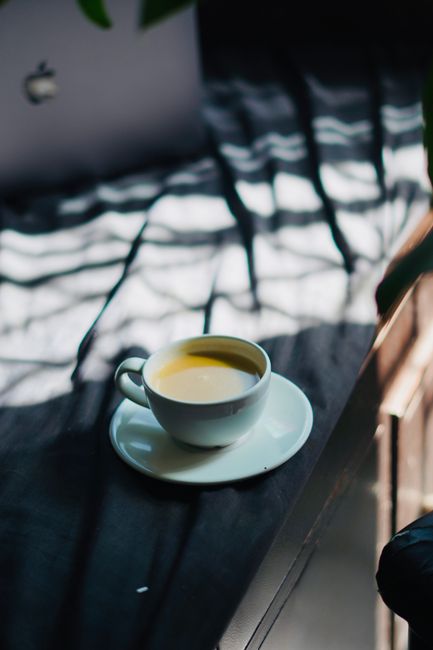
Even after I left nights behind, the habit never really left me. I was still averaging two to four strong cups most mornings, another in the afternoon, and a couple of black teas on top of that. My dark circles got darker by the day. My hand shook a little any time the coffee came out too strong. My anxiety spiked with every cup, and somehow that never stopped me reaching for the next one anyway.
So I finally did what I keep telling other people to try. I cut it out completely and paid attention to what actually happened to my sleep, not just how I felt about the idea of quitting in the moment, but what showed up night after night once the fog cleared. What happened over the following month surprised me, and not always in the direction I expected.
What Changed Once The Caffeine Was Gone
- Less trembling, less racing heart. No more shaky hands when a cup came out too strong, no more racing heart feeling creeping in by the third one. My anxiety calmed down more from this single change than I expected it to.
- Fewer trips to the bathroom, fewer trips to the tap. Caffeine had me up and running to the bathroom constantly through the day, and reaching for water first thing every morning because I woke up so dried out. Both of those quietly stopped.
- The cravings outlasted the caffeine by weeks. A full week off and I was still wanting a cup at almost every hour. The pull was worst first thing in the morning, right after lunch, on any night I hadn't slept enough, and basically any time I was bored.
- My sleep tracker barely moved, but I felt the difference anyway. My average total sleep time and sleep score stayed close to where they'd always been. What changed was how consistent the decent nights got, and how rarely I was lying awake at two in the morning running through the day in my head.
- The dreams came back, vivid ones. I started remembering my dreams again almost as soon as the fog lifted. Caffeine blocks a good chunk of that dreaming stage of sleep, so once it was gone, that part of the night finally got to do its job.
- No more two o'clock crash to fight through. Caffeine works by blocking the exact chemical that's supposed to build up through the day and make you sleepy on schedule. Take the caffeine away and that chemical just does its job normally instead of getting dammed up until it floods in all at once by midafternoon.
- It felt like losing a list of problems, not gaining a list of wins. When I'd given up alcohol and sugar earlier, it felt like addition, brighter eyes, more energy, better digestion. Quitting caffeine felt like subtraction instead, fewer grumpy mornings, fewer shaky hands, less of that yucky feeling in my stomach after back to back cups. Different shape, same outcome. My life got quieter either way.
How It Actually Went, Week By Week
The First Three Days Were Just ROUGH
I won't dress this part up. The first three days were rough, genuinely rough. My head felt like it was being squeezed between two blocks, worst on day two and day three. I was half alive in meetings, continuously yawning, my vision blurred. More than once I poured a cup out of habit and then tipped it down the sink before I could cave.
And yet, weirdly, I was already sleeping incredibly well at night, better than I had in months. It didn't make sense at the time. Awful during the day, deep and heavy at night. I know now that's just what withdrawal can look like, but in the moment it felt like my body couldn't decide what it wanted.
The CRAVINGS Didn't Care That I'd Made It A Week
A big presentation at work nearly broke me. I told myself one cup of green tea, just this once, and had it the morning of. I spent that entire night tossing and turning, which is when the link between caffeine and my sleep finally stopped being theoretical and started being obvious. Even with a full week behind me, the cravings hadn't faded at all. They were overwhelming enough that it scared me a little, realizing how much of a hold the stuff still had.
But underneath the cravings, real change was already showing up. I had no trouble falling asleep most nights. When I did sleep, it was deep, with dreams vivid enough that I remembered them the next morning. I could feel myself tuning into my own body again, noticing which foods actually gave me energy instead of having everything drowned out by caffeine.
Somewhere In Week Three, The TEMPTATIONS Were Everywhere
The weakness finally started fading. I was waking up around 6:30am without an alarm, a full hour before my usual time, and my mornings were more productive than they'd been in ages. One morning at yoga I felt a genuine spike of energy come out of nowhere, and when I realized it was coming from rest and food instead of a drug, it felt like a real win.
Then a work trip dropped me somewhere with coffee shops on every corner, and the smell alone nearly did me in. It worried me how much pull the stuff still had after three weeks. That was the week I finally mapped out my own triggers: first thing in the morning, right after lunch, any night I was short on sleep, and pretty much any time I was bored. Once I could name them, they got a little easier to sit through.
A Month In, I Finally Felt Like Myself Again
By week four the cravings still hadn't fully disappeared, but I'd found things to reach for instead: a walk, music, a call with a friend, a mug of something warm and decaffeinated. That month felt longer than any other month of the year, but I came out the other side sleeping more predictably, waking up with more energy, and reaching for my phone less because I actually felt rested enough not to need the distraction.
My numbers eventually settled around seven hours a night, not far off from what I was getting with caffeine in my system, and the nights I woke up in the middle of the night unable to fall back asleep went from a regular occurrence to something that happens maybe once or twice a month now. The tracker never showed some dramatic before and after. What changed was quieter than that, and it took me a full month to trust it was real.
So would I go back? Not for the ritual, not for the smell of it brewing, not for anything. If you've been putting off testing this on your own sleep, what's actually stopping you?
If cutting it out cold turkey sounds like too much, you don't have to go that route. Cutting your intake back by about a quarter each week over a month is gentler on the withdrawal than stopping in a single day. And if you're not ready to give it up completely, just moving your last cup to before noon does most of the work. Caffeine has a quarter life of around twelve hours, so a fourth of what you drink at noon is still circulating at midnight. Decaf can fill the ritual gap in the meantime, cup for cup, without asking your sleep to pay for it.